
The Rise of Forex Trading: Choosing the Right Online Broker
The world of Forex trading has evolved significantly over the last two decades. The accessibility provided by forex trading online broker India Brokers and other online platforms has democratized trading, allowing individuals from different backgrounds to participate in the forex market. This article delves into the essentials of Forex trading, the importance of selecting a reliable online broker, and the key factors you should consider when making your choice.
Understanding Forex Trading
Forex, or foreign exchange, refers to the marketplace where currencies are traded. Unlike traditional stock trading that occurs on exchanges like the NYSE, forex trading takes place over-the-counter (OTC) and is conducted via a network of banks, brokers, and electronic trading platforms. This decentralization allows for a variety of trading options and strategies.
The forex market operates 24 hours a day, five days a week, and is the largest financial market worldwide, with a daily trading volume exceeding $6 trillion. This immense liquidity means that traders can enter and exit positions quickly, providing opportunities for profit within a highly volatile environment.
What to Look for in an Online Forex Broker
Choosing the right online broker is critical for success in Forex trading. Here are some fundamental factors that traders should consider:
1. Regulation and Security
Regulation is one of the most crucial aspects to consider. A reputable broker should be registered with a recognized regulatory agency, such as the FCA (Financial Conduct Authority) in the UK, the NFA (National Futures Association) in the USA, or ASIC (Australian Securities and Investments Commission). Regulated brokers are required to adhere to strict guidelines, ensuring a higher level of security for your funds and trading activities.
2. Trading Platform
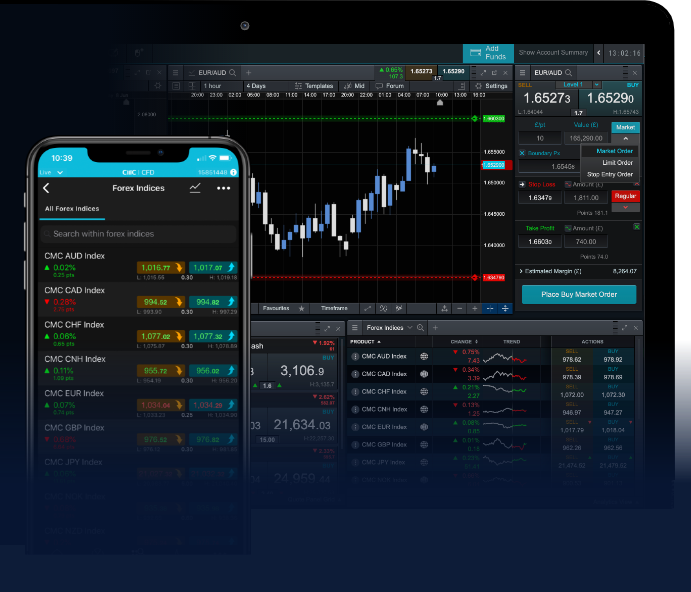
The trading platform is your primary tool for executing trades and managing your portfolio. Look for brokers that offer user-friendly platforms with advanced features such as charting tools, technical indicators, and mobile trading options. Popular platforms include MetaTrader 4 (MT4) and MetaTrader 5 (MT5), both of which provide a comprehensive suite of tools for traders.
3. Trading Costs
Understanding the costs involved in trading is essential. Brokers typically offer either fixed or variable spreads, which represent the difference between the buying and selling prices of a currency pair. Additionally, be aware of any commissions that may apply, as well as overnight fees for holding positions. It’s vital to choose a broker that offers competitive pricing, as this can have a significant impact on your profitability.
4. Account Types
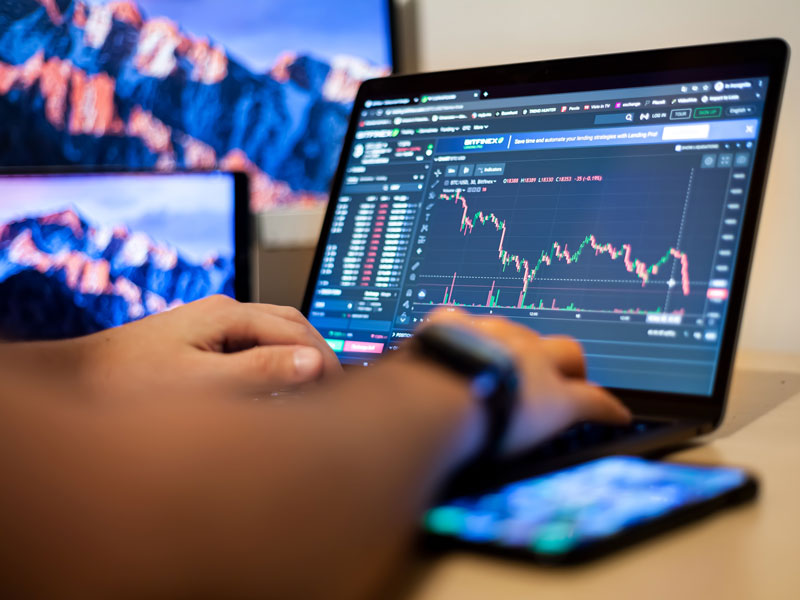
Different brokers offer various account types to cater to traders with diverse needs. Look for a broker that provides a choice of account sizes, leverage options, and additional features such as demo accounts for practice. A demo account can be particularly beneficial for novice traders looking to get accustomed to the platform before risking real money.
5. Customer Support
Good customer service can make a world of difference, especially when trading in high-pressure environments. Ensure that your chosen broker offers multiple channels for support, such as live chat, email, and phone support. Availability of support during trading hours or 24/7 can also enhance your trading experience.
Educational Resources
A broker that offers educational resources can be a game-changer for traders, particularly beginners. Look for online tutorials, webinars, and market analysis that can help you strengthen your trading knowledge and skills. Many brokers provide access to articles, e-books, and other materials that cover trading strategies, market fundamentals, and technical analysis, which are invaluable for building your confidence.
Trading Strategies in Forex
Once you have chosen a broker and set up your trading account, the next step is to develop a trading strategy. Here are some popular strategies used by traders:
1. Day Trading
Day trading involves executing multiple trades within a single day. Traders leverage short-term price movement and can take advantage of small fluctuations in the market. This strategy requires close monitoring and a disciplined approach.
2. Swing Trading
Swing traders look to capture gains over several days or weeks. This strategy is based on technical analysis and the identification of trends and reversals. Swing trading allows for less intensity than day trading, appealing to those who may not be able to dedicate entire days to trading.
3. Scalping
Scalping is a high-frequency trading strategy where traders aim to make small profits from numerous trades throughout the day. This method requires swift execution and a high level of concentration, as traders often hold positions for just a few seconds or minutes.
Conclusion
The forex market presents exciting opportunities for those willing to invest their time and effort. However, selecting the right online broker is paramount to ensuring a successful trading experience. Consider factors such as regulation, trading platforms, costs, customer service, and educational resources when making your decision.
In conclusion, whether you are a novice or an experienced trader, the forex trading landscape is rich with potential. By arming yourself with knowledge and choosing the right broker, you can improve your chances of achieving your trading goals.