
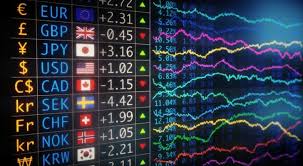
Artificial Intelligence (AI) has emerged as a revolutionary force in many sectors, and forex trading is no exception. The integration of AI technology in forex trading strategies is reshaping how traders analyze data, make decisions, and manage risk. In this article, we will explore the impact of AI on the forex market, the tools available, and the future outlook. For those concerned about compliance with religious laws, we also provide insights on ai forex trading Top Sharia Forex Platforms that facilitate ethical trading.
The Role of AI in Forex Trading
Forex trading involves speculation on the price movements of currency pairs. Traditionally, traders relied on technical and fundamental analysis to inform their decisions. However, the vast amount of data available and the rapid pace of market changes have necessitated more sophisticated tools. This is where AI comes into play.
AI algorithms can analyze historical data, detect patterns, and predict future market movements much faster than a human trader. By leveraging machine learning models, these systems can continuously improve their accuracy as new data comes in. This adaptability is a game changer in the ever-evolving landscape of forex trading.
Types of AI Tools Used in Forex Trading
There are several types of AI tools and technologies that traders can utilize:
1. Predictive Analytics
Predictive analytics involves utilizing AI algorithms to forecast market trends based on past data. These models can process vast datasets and identify potential price movements before they occur, allowing traders to capitalize on future market conditions.
2. Algorithmic Trading
Algorithmic trading uses pre-set rules and AI algorithms to execute trades at high speed and frequency. This technology helps in taking advantage of minute price discrepancies that may exist momentarily in the market, which is difficult for human traders to exploit.
3. Natural Language Processing (NLP)
NLP is an AI technology that helps traders analyze unstructured data, such as news articles and social media posts. By assessing sentiment and extracting relevant information, NLP can provide insights that might influence currency prices.
4. Bots and Automated Trading
AI-powered trading bots can automate trading strategies, making it easier for traders to execute trades without the need for continuous monitoring. These bots can respond to market changes instantaneously, making them valuable assets in high-volatility environments.
Advantages of AI in Forex Trading
The integration of AI into forex trading offers several advantages:
1. Enhanced Decision Making
AI tools can process and analyze vast amounts of data, providing traders with actionable insights that enhance their decision-making capabilities. This ability minimizes human error and reliance on intuition.

2. Improved Risk Management
AI systems can monitor and analyze risk exposures in real-time. By identifying potential risks and opportunities, traders can better manage their portfolios and make informed decisions regarding their trades.
3. Increased Efficiency
AI can process data and execute trades much faster than human traders. This efficiency allows for quicker responses to market changes, which can be crucial in the fast-paced world of forex trading.
4. Accessibility for Beginners
Forex trading can be daunting for beginners due to its complexity. AI-powered platforms can guide novice traders by providing them with user-friendly interfaces and automated trading strategies to enhance their trading experiences.
Challenges and Limitations of AI in Forex Trading
While AI presents numerous benefits, it also comes with its challenges and limitations:
1. Data Quality and Availability
The effectiveness of AI-driven models largely depends on the quality and comprehensiveness of the data they analyze. Inaccurate or incomplete data can lead to erroneous predictions and poor trading outcomes.
2. Market Volatility
Forex markets are inherently volatile, and sudden changes can render even the most sophisticated AI models ineffective. Traders must still be prepared to make discretionary decisions in the face of unexpected market movements.
3. Over-reliance on Automation
While automation can enhance trading efficiency, over-reliance on AI systems can lead to complacency. Traders should maintain a balance between utilizing technology and understanding the underlying market mechanics.
The Future of AI in Forex Trading
As technology continues to evolve, the role of AI in forex trading is expected to expand. Innovations in machine learning, big data analytics, and NLP will likely enhance the capabilities of AI systems, making them even more integral to traders’ strategies.
Moreover, the growing interest in cryptocurrencies and decentralized finance may also spur the development of new AI applications. These emerging markets will challenge existing trading paradigms and provide unique opportunities for AI integration.
Conclusion
AI is undoubtedly transforming the landscape of forex trading. By enhancing predictive capabilities, improving risk management, and increasing efficiency, AI technology offers traders valuable tools to navigate the complexities of the forex market. However, it is crucial for traders to remain vigilant and not become overly dependent on automated systems. The most successful traders will be those who can blend AI insights with their judgment and understanding of market dynamics.
As we move forward, the synergy between human intuition and AI-driven technology will define the future of forex trading. Embracing this technology while maintaining ethical trading practices, including exploring Top Sharia Forex Platforms, will pave the way for more inclusive and responsible trading environments.