

How to Start Forex Trading: A Beginner’s Guide
Forex trading, short for foreign exchange trading, has gained immense popularity in recent years as more individuals seek to capitalize on the opportunities presented by the dynamic currency markets. For those looking to dive into this exciting venture, understanding the basics is crucial. This article will guide you through the essentials of starting forex trading, covering important aspects such as choosing a trading broker, developing a strategy, and managing risks. For those in Argentina, be sure to check out how to start forex trading Forex Brokers in Argentina to find the right broker tailored to your needs.
Understanding Forex Trading
Forex trading involves the buying and selling of currency pairs in order to profit from fluctuations in exchange rates. The forex market is the largest financial market globally, with a daily trading volume exceeding $6 trillion. Unlike stock markets, the forex market operates 24 hours a day, five days a week, allowing traders from different time zones to participate in trading activities.
Currency Pair Basics
In forex trading, currencies are always traded in pairs, meaning you are simultaneously buying one currency while selling another. The first currency in the pair is known as the base currency, while the second is the quote currency. For instance, in the EUR/USD currency pair, the euro (EUR) is the base currency, and the US dollar (USD) is the quote currency. The exchange rate indicates how much of the quote currency you need to purchase one unit of the base currency.
Choosing a Forex Broker
Selecting a reliable forex broker is one of the most important steps in starting your trading journey. Brokers act as intermediaries between you and the forex market, providing you with the tools and platforms necessary for trading. Here are some key factors to consider when choosing a broker:
Regulation
Ensure that your chosen broker is regulated by a reputable financial authority. Regulatory bodies help protect traders and ensure fair trading practices. In Argentina, look for brokers regulated by the Comisión Nacional de Valores (CNV).
Trading Platform
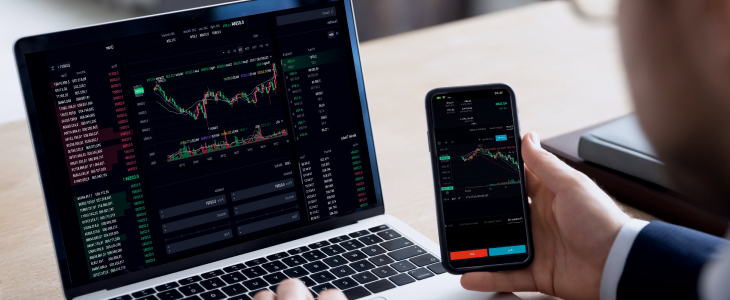
The trading platform is your primary tool for executing trades. Look for a user-friendly platform that offers essential features such as real-time quotes, charting tools, and analysis tools. Popular platforms include MetaTrader 4 (MT4), MetaTrader 5 (MT5), and cTrader.
Account Types
Many brokers offer various account types catering to different trader profiles. Beginners should look for accounts with low minimum deposits and competitive spreads. Some brokers also offer demo accounts, allowing you to practice trading without risk.
Customer Support
Good customer support can make a significant difference, especially when you encounter issues or have questions. Choose a broker that provides multiple support channels, such as live chat, email, and phone support.
Developing a Trading Strategy
Having a solid trading strategy is essential for success in the forex market. A trading strategy outlines your trading goals, risk tolerance, and the specific rules you will follow to place trades. Here are some common components of a trading strategy:
Technical Analysis
Technical analysis involves studying price charts and patterns to forecast future price movements. Traders use various tools, such as indicators and oscillators, to identify entry and exit points for trades. Popular technical indicators include moving averages, Relative Strength Index (RSI), and Fibonacci retracements.
Fundamental Analysis
Fundamental analysis focuses on economic factors that influence currency prices. This includes analyzing interest rates, inflation rates, and geopolitical events. Understanding how these factors impact currency value is crucial for making informed trading decisions.
Risk Management
Effective risk management is critical to long-term success in forex trading. Traders should never risk more than a small percentage of their trading capital on a single trade. Consider using stop-loss orders to limit potential losses and maintain a proper risk-reward ratio.
Practicing with a Demo Account
Before risking real money, it’s advisable to practice your trading skills using a demo account. A demo account allows you to trade in a simulated environment with virtual funds. This is an excellent opportunity to familiarize yourself with the trading platform, test your strategy, and gain confidence before transitioning to live trading.
Staying Informed
The forex market is influenced by a multitude of factors, making it essential for traders to stay informed. Follow reputable financial news sources, economic calendars, and trading forums to keep up to date with market developments. Joining trading communities can also provide valuable insights and support from fellow traders.
Transitioning to Live Trading
Once you have practiced sufficiently and feel confident in your trading strategy, it’s time to transition to live trading. Start with a small capital investment, and gradually increase your position size as you gain experience and build your trading skills. Keep a trading journal to record your trades, analyze your performance, and learn from both your successes and failures.
Conclusion
Starting forex trading can be a daunting task, but with the right preparation and mindset, it can be a rewarding venture. By understanding the basics of forex trading, choosing a reliable broker, developing a robust trading strategy, and practicing diligent risk management, you can set yourself up for success. Remember, continuous learning and adaptation are key to thriving in the fast-paced world of forex trading.